Let me ask you something real quick.
Have you ever felt like you’re doing everything right but somehow still losing?
That’s where the chessboard metaphor act comes in.
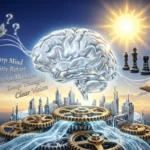
Life doesn’t play out like a straight road. It plays out like a chessboard. Everyone is moving. Some people see the whole board. Others only see the square they’re standing on. And the truth is, the moment you understand what role you’re playing and how the game is being played, everything changes.
This isn’t about chess.
It’s about strategy, power, timing, sacrifice, and awareness in relationships, work, decisions, and even personal growth.
Let’s break it down in a way that actually makes sense.
20 Chessboard Metaphors
1. Life is a chessboard, and every move costs something.
- Meaning: Every decision has consequences.
- Explanation: No action is free; even waiting is a move.
- Examples:
- Accepting a job means giving up another opportunity.
- Saying nothing in an argument still changes the outcome.
- Accepting a job means giving up another opportunity.
2. Some people don’t know they’re on a chessboard.
- Meaning: Lack of awareness leads to manipulation.
- Explanation: If you don’t know there’s a game, you can’t protect yourself.
- Examples:
- A coworker takes credit while you stay silent.
- A friend controls plans because you never push back.
- A coworker takes credit while you stay silent.
3. Not everyone on the board is a player.
- Meaning: Some people are being used.
- Explanation: Pawns don’t choose the strategy; they follow it.
- Examples:
- Office politics using employees as messengers.
- Social media outrage driven by unseen agendas.
- Office politics using employees as messengers.
4. The loudest piece is rarely the strongest.
- Meaning: Power doesn’t always announce itself.
- Explanation: Quiet players often control outcomes.
- Examples:
- A calm manager influencing decisions behind the scenes.
- A silent partner owning most of the company.
- A calm manager influencing decisions behind the scenes.
5. Timing matters more than speed.
- Meaning: Rushing ruins strategy.
- Explanation: A slow, correct move beats a fast, careless one.
- Examples:
- Waiting to speak until emotions cool.
- Delaying a launch until the market is ready.
- Waiting to speak until emotions cool.
6. Every sacrifice is a setup.
- Meaning: Loss can be strategic.
- Explanation: Giving something up can create advantage.
- Examples:
- Leaving comfort for long-term growth.
- Saying no to distractions to protect focus.
- Leaving comfort for long-term growth.
7. The board favors the prepared.
- Meaning: Planning creates power.
- Explanation: Those who think ahead control outcomes.
- Examples:
- Preparing questions before a meeting.
- Saving money before an emergency hits.
- Preparing questions before a meeting.
8. Emotion makes terrible moves.
- Meaning: Reacting emotionally weakens judgment.
- Explanation: Strategy requires clarity.
- Examples:
- Sending an angry text you regret.
- Quitting without a backup plan.
- Sending an angry text you regret.
9. A pawn with patience becomes a queen.
- Meaning: Growth comes through persistence.
- Explanation: Small roles can become powerful over time.
- Examples:
- Starting at the bottom and learning deeply.
- Consistently building a skill others ignore.
- Starting at the bottom and learning deeply.
10. Checkmate usually starts quietly.
- Meaning: Big outcomes come from small steps.
- Explanation: The end is decided long before it’s obvious.
- Examples:
- Trust eroding before a breakup.
- Market shifts before a business fails.
- Trust eroding before a breakup.
11. Not every battle is worth a move.
- Meaning: Choose conflicts wisely.
- Explanation: Energy is limited.
- Examples:
- Ignoring online arguments.
- Walking away from ego-driven fights.
- Ignoring online arguments.
12. Control the center, control the game.
- Meaning: Focus on what matters most.
- Explanation: Central priorities shape everything else.
- Examples:
- Health before hustle.
- Core skills before flashy extras.
- Health before hustle.
13. A defended position is stronger than an aggressive one.
- Meaning: Stability beats recklessness.
- Explanation: Protect what you’ve built.
- Examples:
- Saving before investing.
- Strengthening relationships before expanding networks.
- Saving before investing.
14. The board doesn’t care about intent.
- Meaning: Results matter more than intentions.
- Explanation: Good intentions don’t erase bad outcomes.
- Examples:
- Saying I meant well after causing harm.
- Poor planning despite hard work.
- Saying I meant well after causing harm.
15. Patterns reveal the real player.
- Meaning: Repeated actions show true motives.
- Explanation: Behavior beats words.
- Examples:
- Someone always avoiding accountability.
- A leader consistently empowering others.
- Someone always avoiding accountability.
16. Blind spots lose games.
- Meaning: Ignoring weaknesses is dangerous.
- Explanation: Self-awareness prevents mistakes.
- Examples:
- Overconfidence before failure.
- Ignoring feedback until it’s too late.
- Overconfidence before failure.
17. The board resets, but lessons remain.
- Meaning: Loss isn’t permanent.
- Explanation: Every game teaches something.
- Examples:
- Learning from a failed business.
- Growing after a breakup.
- Learning from a failed business.
18. Strategy beats strength.
- Meaning: Thinking wins over force.
- Explanation: Smart moves outperform raw power.
- Examples:
- Negotiation over confrontation.
- Planning over burnout.
- Negotiation over confrontation.
19. A trapped king looks powerful until it isn’t.
- Meaning: Authority without flexibility collapses.
- Explanation: Control without adaptability fails.
- Examples:
- Leaders resisting change.
- Rigid thinking in a dynamic world.
- Leaders resisting change.
20. Seeing the board changes the act.
- Meaning: Awareness transforms behavior.
- Explanation: Once you understand the game, you play differently.
- Examples:
- Setting boundaries with confidence.
- Making intentional career moves.
- Setting boundaries with confidence.
Conclusion
At the end of the day, the chessboard metaphor act isn’t about becoming cold or calculating it’s about becoming aware.
When you stop reacting blindly and start seeing the full board, your choices change.Life will always feel unfair if you think you’re just a piece being pushed around.
But the moment you understand the board, the rules, and your position on it you regain control.
Practical Exercise: Think Like the Board, Not the Piece
1. What is the board in your current situation?
Answer: The environment, people, and rules affecting your decision.
2. What piece are you acting as right now?
Answer: Your current role (learner, leader, follower, risk-taker).
3. Who controls the strategy?
Answer: The person with information, leverage, or influence.
4. What move are you avoiding?
Answer: The uncomfortable but necessary action.
5. What would patience change?
Answer: Timing, clarity, and outcome.
6. What is your biggest blind spot?
Answer: A repeated mistake or ignored weakness.
7. What are you defending?
Answer: Values, time, energy, or boundaries.
8. What sacrifice could help you advance?
Answer: Comfort, ego, or short-term pleasure.
9. Are you reacting or planning?
Answer: Reaction is emotional; planning is strategic.
10. If you saw the whole board, what would you do differently?
Answer: Make calmer, intentional, long-term moves.