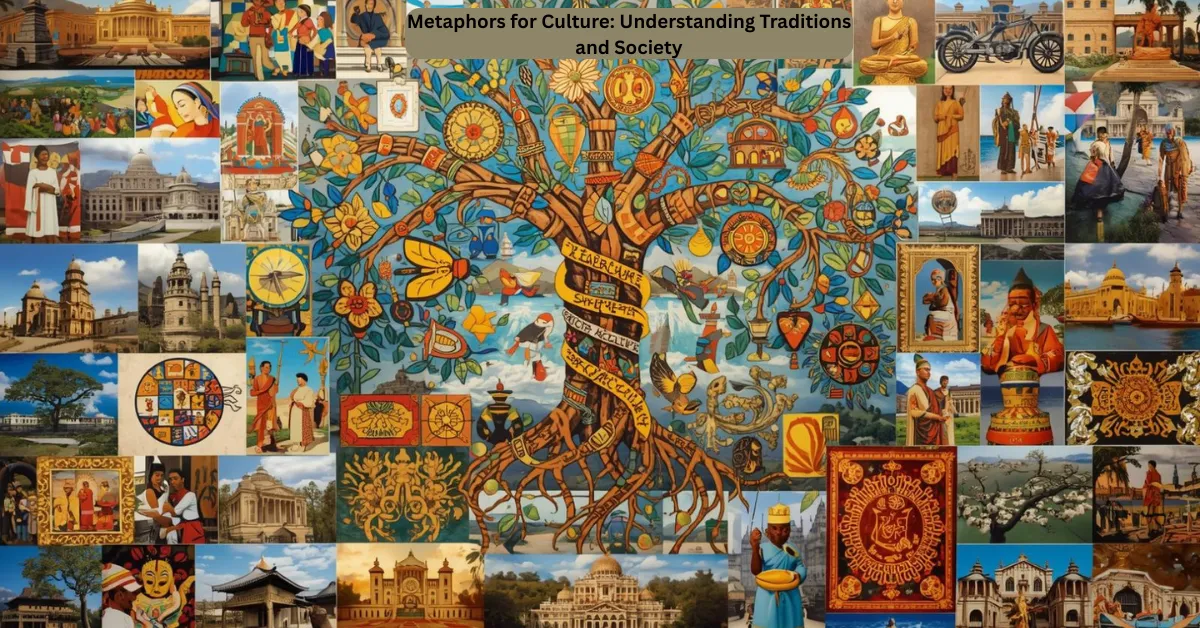
Metaphors for culture help describe traditions, values, and collective identity in ways that simple words often cannot capture. Students often struggle to explain cultural practices in essays, writers want to show the richness and complexity of societies creatively, and teachers look for vivid examples that make abstract concepts relatable.
Simply saying “culture is important” or “our culture” can feel flat or repetitive, but metaphors bring culture to life. By comparing culture to gardens, rivers, tapestries, or woven threads, you create imagery that readers can visualize and feel.
If writing stories, reflections, or analytical pieces, using metaphors for culture adds depth, clarity, and emotional resonance, making the essence of a community engaging and memorable.
20 Metaphors for Culture
1. Culture is a tapestry
Meaning: Complexity and richness
Explanation: Woven with traditions, beliefs, and customs
Examples:
Culture is a tapestry of stories and rituals.
Our heritage is a vibrant tapestry of colors and patterns.
2. Culture is a river
Meaning: Continuous flow
Explanation: Evolves over time
Examples:
Culture flows like a river through generations.
Traditions move and change like a river’s current.
3. Culture is a garden
Meaning: Growth and care
Explanation: Needs nurturing to flourish
Examples:
Culture is a garden where customs bloom.
Our festivals are flowers in the garden of culture.
4. Culture is a mirror
Meaning: Reflection
Explanation: Shows values, beliefs, and identity
Examples:
Art reflects culture like a mirror.
Our language is a mirror of our heritage.
5. Culture is a book
Meaning: Stories and knowledge
Explanation: Preserves history and experiences
Examples:
Culture is a book written by ancestors.
Every tradition adds a chapter to our cultural story.
6. Culture is a bridge
Meaning: Connection
Explanation: Links people and ideas across communities
Examples:
Culture is a bridge connecting the past and the present.
Music built a bridge between cultures.
7. Culture is a song
Meaning: Harmony and expression
Explanation: Communicates emotions and identity
Examples:
Every festival is a song of culture.
Her dance told the song of her people.
8. Culture is a river delta
Meaning: Diversity
Explanation: Combines multiple influences
Examples:
Culture spreads like a river delta into many streams.
Our cuisine is a delta of tastes and traditions.
9. Culture is a flame
Meaning: Vitality
Explanation: Keeps traditions alive
Examples:
Culture burns like a flame across generations.
Storytelling keeps the flame of culture bright.
10. Culture is a quilt
Meaning: Unity in diversity
Explanation: Different pieces form a whole
Examples:
Culture is a quilt of beliefs and customs.
Our community stitched a quilt of shared stories.
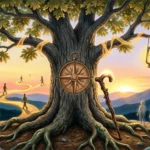
11. Culture is a tree
Meaning: Roots and growth
Explanation: Deeply rooted traditions with new branches
Examples:
Culture is a tree with roots in history.
Modern art is a branch growing from the tree of culture.
12. Culture is a river current
Meaning: Influence and change
Explanation: Shapes behavior and thought
Examples:
Social norms flow like a river current.
Culture carried new ideas like a strong current.
13. Culture is a mosaic
Meaning: Diversity and beauty
Explanation: Different pieces form a cohesive whole
Examples:
Our city is a mosaic of cultures.
Every festival adds a tile to the cultural mosaic.
14. Culture is a flame of heritage
Meaning: Preservation
Explanation: Keeps identity alive
Examples:
Traditions are the flame of our culture.
Stories passed down keep the flame bright.
15. Culture is a stage
Meaning: Expression
Explanation: People perform traditions and customs
Examples:
Culture plays out on the stage of everyday life.
Festivals act as a stage for cultural expression.
16. Culture is a river of memory
Meaning: Historical continuity
Explanation: Carries lessons from the past
Examples:
Culture flows like a river of memory.
Legends are the stones in the river of memory.
17. Culture is a compass
Meaning: Guidance
Explanation: Directs behavior and values
Examples:
Our ethics act as a compass in culture.
Traditions are the compass pointing to our roots.
18. Culture is a dance
Meaning: Rhythm and coordination
Explanation: Movements reflect collective identity
Examples:
Culture dances through rituals and ceremonies.
Our celebrations move like a coordinated dance of heritage.
19. Culture is a river of stories
Meaning: Narrative and legacy
Explanation: Preserves and passes wisdom
Examples:
Culture carries a river of stories across generations.
Elders share the river of stories with youth.
20. Culture is a bridge to the past
Meaning: Continuity
Explanation: Connects the present with history
Examples:
Festivals are a bridge to the past.
Culture links our ancestors to our modern lives.
Practical Exercise:
| Question | Answer |
| Which metaphor shows complexity? | Tapestry |
| Which metaphor shows growth? | Garden |
| Which metaphor shows reflection? | Mirror |
| Which metaphor shows diversity? | Mosaic |
| Which metaphor shows continuity? | River of memory |
| Which metaphor shows expression? | Dance |
| Which metaphor shows guidance? | Compass |
| Which metaphor shows unity? | Quilt |
| Which metaphor shows vitality? | Flame |
| Which metaphor shows storytelling? | River of stories |
FAQs
- What are metaphors for culture?
They symbolically describe traditions, values, identity, and societal behavior. - Are these metaphors useful for essays?
Yes, especially for descriptive, analytical, or reflective writing. - Can students use them in exams?
Absolutely, they enhance imagery and understanding of abstract concepts. - Do culture metaphors show emotion?
Yes, they reflect pride, continuity, diversity, and connection vividly. - Can teachers use them in class?
Yes, for illustrating heritage, customs, and societal ideas. - Are these metaphors flexible?
Yes, they work in essays, stories, speeches, and creative projects. - Do metaphors improve writing quality?
Yes, they make abstract cultural ideas relatable and tangible. - Are they suitable for storytelling?
Definitely, they show traditions, diversity, and identity clearly. - Can writers adapt them?
Easily, for educational, literary, or creative contexts. - Do they help readers visualize culture?
Yes, metaphors make heritage, traditions, and values tangible.
Conclusion:
Metaphors for culture turn abstract concepts like traditions, values, and societal behavior into vivid, meaningful images. If culture is a tapestry, river, garden, or mosaic, these metaphors help express heritage, identity, and continuity clearly. Strong writing begins when culture is not just described but deeply visualized, and metaphors do exactly that.