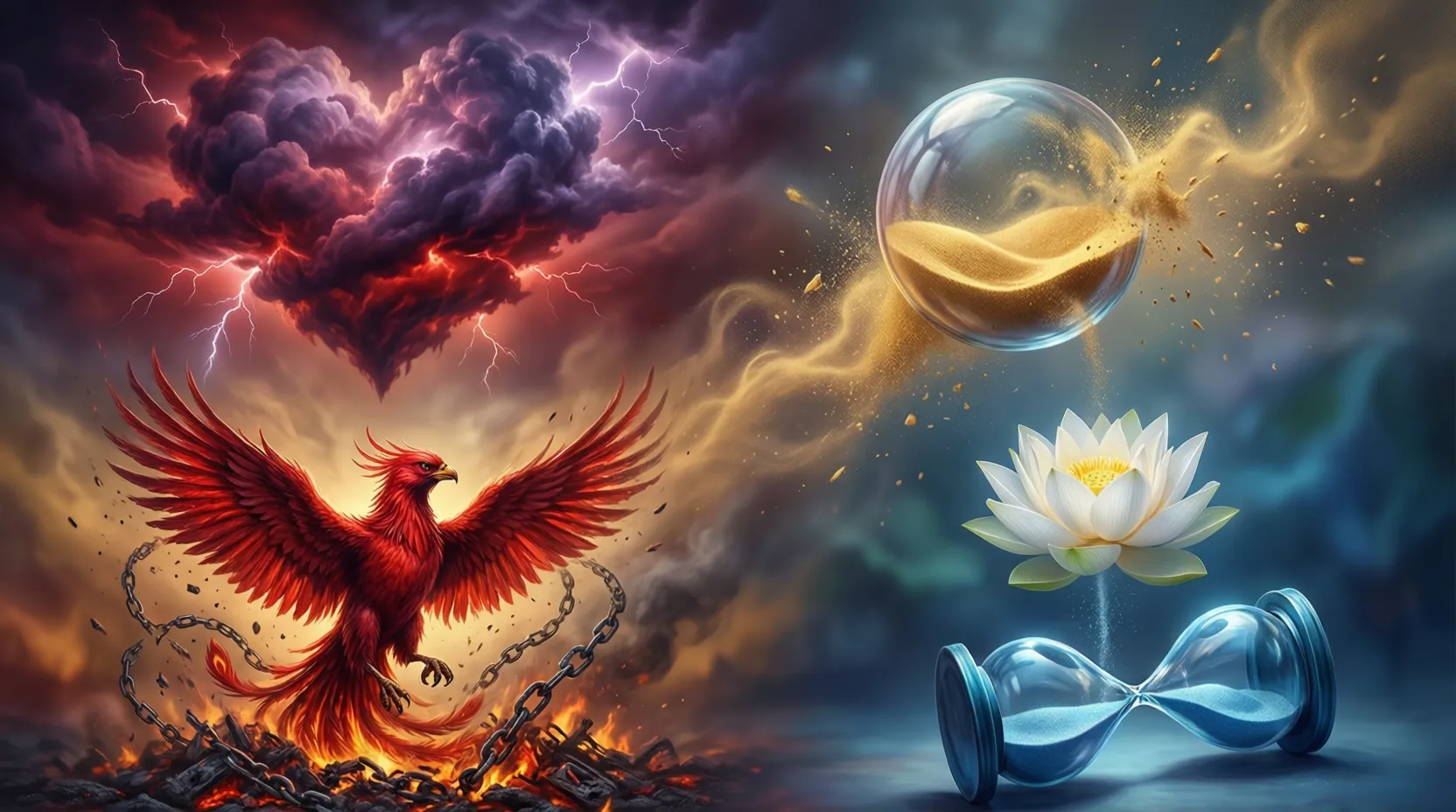
Metaphors for emotions transform ordinary feelings into vivid, unforgettable images when simple words just aren’t enough. Students often struggle to describe complex emotions like anger, joy, fear, or sadness in essays. Writers want to show inner experiences with depth and nuance, and teachers look for creative ways to make abstract feelings understandable. Saying “I’m happy” or “I’m upset” can feel flat, but metaphors bring emotions to life.
By comparing feelings to storms, waves, flames, shadows, or changing seasons, you create a relatable and powerful picture of your inner world.
If in stories, poems, reflections, or speeches, using metaphors for emotions adds clarity, richness, and lasting emotional impact to your writing.
20 Metaphors for Emotions
1. Emotion is a storm
Meaning: Intensity
Explanation: Strong feelings, sometimes chaotic
Examples:
Emotion is a storm of anger.
Her sadness hit like a thunderstorm.
2. Emotion is a river
Meaning: Flow
Explanation: Emotions move and change
Examples:
Emotion is a river of joy.
Tears flowed like a gentle river.
3. Emotion is a fire
Meaning: Passion
Explanation: Intense, consuming feelings
Examples:
Emotion is a fire of love.
Anger burned like wildfire.
4. Emotion is a wave
Meaning: Rise and fall
Explanation: Feelings ebb and surge
Examples:
Emotion is a wave of excitement.
Grief came in crashing waves.
5. Emotion is a shadow
Meaning: Subtle presence
Explanation: Sometimes unnoticed but felt
Examples:
Emotion is a shadow of doubt.
Happiness lingered like a shadow behind her smile.
6. Emotion is a flame
Meaning: Warmth
Explanation: Small but glowing feelings
Examples:
Emotion is a flame of hope.
Her courage was a small but steady flame.
7. Emotion is a storm cloud
Meaning: Approaching intensity
Explanation: Feelings gathering before expression
Examples:
Emotion is a storm cloud of anxiety.
Tension built like dark clouds overhead.
8. Emotion is a rollercoaster
Meaning: Ups and downs
Explanation: Rapid shifts in mood
Examples:
Emotion is a rollercoaster of excitement and fear.
Her feelings twisted like a rollercoaster ride.
9. Emotion is a mirror
Meaning: Reflection
Explanation: Shows inner thoughts and feelings
Examples:
Emotion is a mirror of my heart.
His tears reflected deep sorrow.
10. Emotion is a tide
Meaning: Cyclical
Explanation: Emotions rise and fall naturally
Examples:
Emotion is a tide of nostalgia.
Memories came in like the tide.
11. Emotion is a balloon
Meaning: Fragility
Explanation: Can burst or lift you up
Examples:
Emotion is a balloon of joy.
Her hope floated like a balloon in the sky.
12. Emotion is a knot
Meaning: Tension
Explanation: Feelings tied up inside
Examples:
Emotion is a knot of anxiety.
His frustration felt like a tight knot in his chest.
13. Emotion is a spark
Meaning: Small beginning
Explanation: Can ignite larger feelings
Examples:
Emotion is a spark of love.
A simple compliment ignited a spark of happiness.
14. Emotion is a cage
Meaning: Restriction
Explanation: Feeling trapped or constrained
Examples:
Emotion is a cage of fear.
She felt locked inside her own anger.
15. Emotion is a rainbow
Meaning: Variety
Explanation: Multiple feelings at once
Examples:
Emotion is a rainbow of hope and doubt.
His mood shifted like a rainbow after rain.
16. Emotion is a seed
Meaning: Potential
Explanation: Can grow into stronger feelings
Examples:
Emotion is a seed of curiosity.
A small thought grew into excitement.
17. Emotion is a bridge
Meaning: Connection
Explanation: Links people or ideas
Examples:
Emotion is a bridge of empathy.
Her kindness connected hearts like a bridge.
18. Emotion is a wave in the ocean
Meaning: Part of a larger whole
Explanation: Individual feelings exist in context
Examples:
Emotion is a wave in the ocean of life.
His sadness was one wave in a sea of experiences.
19. Emotion is a stormy sky
Meaning: Turbulence
Explanation: Unstable feelings
Examples:
Emotion is a stormy sky of confusion.
Fear raged like clouds in a stormy sky.
20. Emotion is a garden
Meaning: Growth and care
Explanation: Needs nurturing to flourish
Examples:
Emotion is a garden of love and trust.
Patience helped her emotions bloom.
Practical Exercise:
| Question | Answer |
| Which metaphor shows intensity? | Storm |
| Which metaphor shows change? | River |
| Which metaphor shows passion? | Fire |
| Which metaphor shows ups and downs? | Rollercoaster |
| Which metaphor shows reflection? | Mirror |
| Which metaphor shows hope? | Flame |
| Which metaphor shows fragility? | Balloon |
| Which metaphor shows restriction? | Cage |
| Which metaphor shows growth? | Garden |
| Which metaphor shows cycles? | Tide |
FAQs
- What are metaphors for emotions?
They describe feelings and moods symbolically, adding depth and clarity. - Are these useful for essays?
Yes, especially for reflective, descriptive, or creative writing. - Can students use them in exams?
Yes, they improve imagery and emotional expression. - Do these metaphors convey subtlety?
Absolutely, they show nuance in feelings. - Can teachers use them in class?
Yes, for teaching emotional literacy and creative writing. - Are these metaphors flexible?
Yes, they work in stories, essays, speeches, or poetry. - Do metaphors improve writing quality?
Yes, they make abstract feelings vivid and relatable. - Are they suitable for storytelling?
Very much so, they make emotions tangible. - Can writers adapt them?
Easily, for personal, fictional, or analytical contexts. - Do they help readers feel emotions?
Yes, metaphors make abstract feelings concrete and immersive.
Conclusion:
Metaphors for emotions turn complex, abstract feelings into vivid, relatable images. If emotion is a storm, river, fire, or garden, these metaphors help express passion, joy, sadness, and growth clearly. Strong writing about emotions begins when feelings are not just named but felt, and metaphors do exactly that.