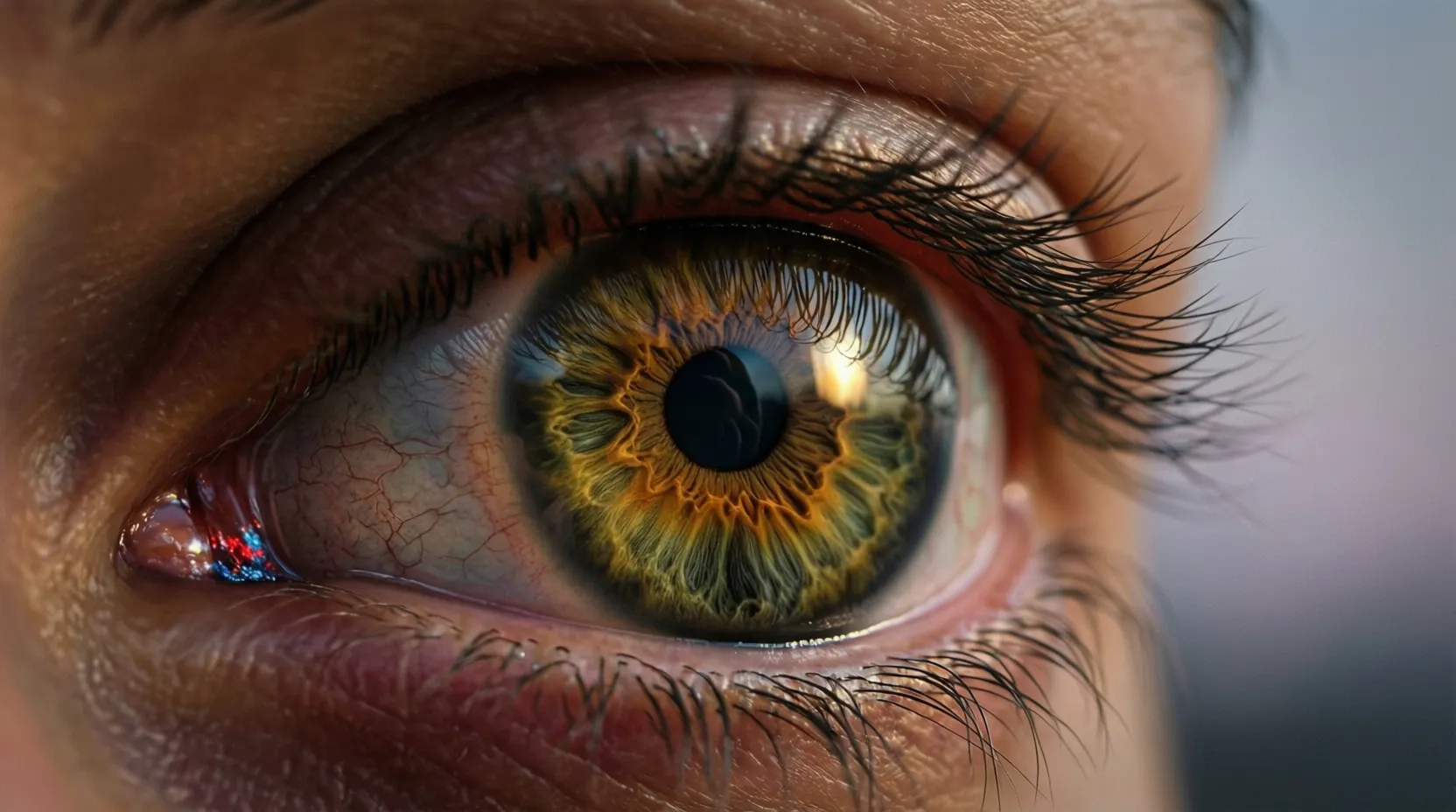
Metaphors for eyes help students, teachers, and writers describe emotions, thoughts, and personality when simple descriptions feel weak. Sometimes it’s frustrating to explain what eyes reveal love, fear, curiosity, or sadness without repeating the same boring phrases.
These metaphors turn eyes into powerful, vivid images that readers instantly connect with. On this page, you’ll learn creative ways to make your writing more expressive, emotional, and memorable.
Keep reading and let your words capture what eyes truly say because the strongest stories are often told without a single word spoken.
20 Metaphors for Eyes
1. Eyes are windows to the soul
Meaning: Reveal true feelings
Explanation: Emotions can be seen through the eyes
Examples:
- Her eyes were windows to the soul.
- His honest eyes revealed everything.
2. Eyes like burning fire
Meaning: Intense emotion or anger
Explanation: Strong feelings reflected
Examples:
- His eyes burned with fire.
- She stared with eyes like fire.
3. Eyes are shining stars
Meaning: Bright and lively
Explanation: Full of excitement or hope
Examples:
- Her eyes shone like stars.
- The child’s eyes were little stars.
4. Eyes are deep oceans
Meaning: Emotional depth
Explanation: Feelings hidden beneath the surface
Examples:
- His eyes were deep oceans.
- You could drown in her ocean eyes.
5. Eyes are mirrors
Meaning: Reflect emotions
Explanation: Show inner state clearly
Examples:
- Her eyes were mirrors of sadness.
- His joy reflected in his eyes.
6. Eyes like sharp knives
Meaning: Angry or critical look
Explanation: Piercing stare
Examples:
- She looked at him with knife-like eyes.
- His eyes cut through lies.
7. Eyes are glowing embers
Meaning: Quiet passion
Explanation: Hidden intensity
Examples:
- His eyes glowed like embers.
- Determination burned in her amber eyes.
8. Eyes like open books
Meaning: Easy to read emotions
Explanation: Nothing hidden
Examples:
- Her eyes were open books.
- His guilt showed like an open book.
9. Eyes are storm clouds
Meaning: Anger or sadness is building
Explanation: Emotional tension
Examples:
- Storm clouds gathered in his eyes.
- Her eyes darkened like clouds.
10. Eyes like flashlights
Meaning: Observant and alert
Explanation: Notice everything
Examples:
- His eyes worked like flashlights.
- She scanned the room with flashlight eyes.
11. Eyes are frozen lakes
Meaning: Emotionless or cold
Explanation: No visible feeling
Examples:
- His eyes were frozen lakes.
- She stared with icy stillness.
12. Eyes are guiding lights
Meaning: Comfort and trust
Explanation: Provide reassurance
Examples:
- Her eyes were guiding lights.
- He followed the calm in her eyes.
13. Eyes like broken glass
Meaning: Pain or heartbreak
Explanation: Emotional damage
Examples:
- His eyes looked like broken glass.
- Pain shimmered in her eyes.
14. Eyes are silent speakers
Meaning: Communicate without words
Explanation: Express feelings silently
Examples:
- Their eyes spoke silently.
- A glance said everything.
15. Eyes like hunting hawks
Meaning: Focused and sharp
Explanation: Intense attention
Examples:
- His eyes were hawks on prey.
- She watched closely like a hawk.
16. Eyes are soft pillows
Meaning: Comforting and gentle
Explanation: Warm and kind gaze
Examples:
- Her eyes felt like soft pillows.
- He relaxed under her gentle gaze.
17. Eyes are flickering candles
Meaning: Hope or uncertainty
Explanation: Weak but present emotion
Examples:
- Hope flickered in his eyes.
- Her candle eyes refused to go dark.
18. Eyes like locked doors
Meaning: Secretive or guarded
Explanation: Emotions hidden
Examples:
- His eyes were locked doors.
- She revealed nothing through her eyes.
19. Eyes are bright mirrors of joy
Meaning: Happiness
Explanation: Joy is clearly visible
Examples:
- Joy sparkled in her eyes.
- His laughter lit up his eyes.
20. Eyes are searching compasses
Meaning: Curious or lost
Explanation: Looking for direction or answers
Examples:
- His eyes searched like compasses.
- Her eyes wandered for meaning.
Practical Exercise:
| Question | Answer |
| 1. Which metaphor shows hidden emotions? | Locked doors |
| 2. Which metaphor represents emotional depth? | Deep oceans |
| 3. Which metaphor shows anger building? | Storm clouds |
| 4. Which metaphor represents comfort? | Soft pillows |
| 5. Which metaphor shows sharp attention? | Hunting hawks |
| 6. Which metaphor represents honesty? | Open books |
| 7. Which metaphor shows pain or heartbreak? | Broken glass |
| 8. Which metaphor shows guidance or trust? | Guiding lights |
| 9. Which metaphor represents silent communication? | Silent speakers |
| 10. Which metaphor shows curiosity or searching? | Searching compasses |
FAQs
1. Why use metaphors for eyes?
They help express emotions visually and emotionally.
2. Are eye metaphors good for storytelling?
Yes, they add depth to characters.
3. Can students use them in essays?
Absolutely, especially in descriptive writing.
4. Do these metaphors work in poetry?
Yes, they are highly poetic.
5. Are eye metaphors cultural?
Many are universal and easily understood.
6. Can eye metaphors show emotions without dialogue?
Yes, that’s their biggest strength.
7. Should metaphors be overused?
No, moderation keeps writing strong.
8. Are these metaphors formal or informal?
They work in both styles.
9. Can teachers use them in lessons?
Yes, they’re perfect for teaching figurative language.
10. Do metaphors make descriptions memorable?
Yes, they make writing vivid and lasting.
Conclusion:
Metaphors for eyes allow writers to express emotion, intention, and inner thoughts without directly stating them. They turn a simple gaze into a powerful symbol of feeling, connection, or mystery. By using these metaphors, writing becomes more poetic and emotionally rich, helping readers sense what characters feel beneath the surface. If describing love, fear, curiosity, or sadness, metaphors for eyes help bring characters and moments vividly to life through subtle yet meaningful imagery.