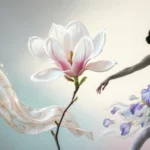
Metaphors for flowers are a beautiful way for students, teachers, and writers to express emotions, ideas, or growth with clarity and creativity. Sometimes, words alone feel too plain to capture love, hope, or transformation, leaving your writing dull or incomplete. These metaphors help you turn delicate feelings and life experiences into vivid, relatable images that readers can instantly connect with. On this page, you’ll discover ways to make your writing bloom, communicate more powerfully, and bring color and depth to every idea. Keep reading and let your words flourish like a garden in full bloom!
20 Metaphors for Flowers
1. Life is a garden
Meaning: Life is full of growth, care, and seasons
Explanation: Gardens represent beauty, cultivation, and change.
Examples:
• She treated her career like a garden, tending it carefully.
• Life is a garden; you reap what you sow.
2. He was a thorn among roses
Meaning: Someone difficult in a pleasant setting
Explanation: A thorn disrupts beauty, symbolizing trouble.
Examples:
• The new manager was a thorn among roses.
• His comments were a thorn in the conversation.
3. Her smile bloomed like a flower
Meaning: Happiness or warmth emerging
Explanation: Blooming flowers symbolize joy or awakening.
Examples:
• Her smile bloomed when she saw the gift.
• The child’s laughter bloomed like a flower.
4. Petals falling in the wind
Meaning: Fleeting moments
Explanation: Petals are delicate and temporary.
Examples:
• Childhood memories fell like petals in the wind.
• Their conversation faded like petals drifting.
5. Life’s a bed of roses
Meaning: Life is beautiful or full of pleasure
Explanation: Roses symbolize beauty and enjoyment.
Examples:
• Their vacation felt like a bed of roses.
• She described her time there as a bed of roses.
6. Withering flowers
Meaning: Decline or sadness
Explanation: Wilting flowers symbolize loss or fading.
Examples:
• Her enthusiasm withered like flowers in the sun.
• The party atmosphere was like withering flowers.
7. Thorny path
Meaning: Challenges or obstacles
Explanation: Thorns symbolize difficulty along the way.
Examples:
• He walked a thorny path to success.
• Their journey was a thorny path.
8. Blooming with hope
Meaning: New beginnings or optimism
Explanation: Flowers blooming symbolize renewal and growth.
Examples:
• She bloomed with hope after hearing the good news.
• The town bloomed with hope after the festival.
9. Fragrant like jasmine
Meaning: Pleasant presence
Explanation: Fragrance represents attractiveness or charm.
Examples:
• Her voice was fragrant like jasmine.
• The room was fragrant with laughter.
10. Dead flowers
Meaning: Endings or lost beauty
Explanation: Represents decline or sadness.
Examples:
• Their old memories were like dead flowers.
• The garden of dreams had dead flowers.
11. Blossoming talent
Meaning: Emerging skill or potential
Explanation: Talent grows like a flower.
Examples:
• Her singing blossomed like a flower.
• His writing blossomed over the years.
12. Blooming friendship
Meaning: Developing a relationship
Explanation: Like flowers growing, friendships mature.
Examples:
• Their friendship bloomed in college.
• New neighbors’ connection blossomed like flowers.
13. Petal-soft words
Meaning: Gentle or kind speech
Explanation: Petals symbolize tenderness.
Examples:
• She spoke petal-soft words of encouragement.
• His letter was full of petal-soft phrases.
14. Flowers in the desert
Meaning: Hope or beauty in difficult places
Explanation: Unexpected beauty represents resilience.
Examples:
• She was flowers in the desert at that harsh job.
• The charity brought flowers to the poor town.
15. Blooming ideas
Meaning: Creativity and new thoughts
Explanation: Ideas develop like flowers.
Examples:
• His innovative solutions bloomed like flowers.
• The brainstorming session led to blooming ideas.
16. Falling petals of memory
Meaning: Nostalgia or loss
Explanation: Petals falling signify fading memories.
Examples:
• Their childhood moments fell like petals of memory.
• He remembered the past like petals falling.
17. Flowers in full bloom
Meaning: Peak beauty or potential
Explanation: Fully grown flowers symbolize maturity and success.
Examples:
• Her career was in full bloom.
• The garden was flowers in full bloom that spring.
18. Thorny love
Meaning: Love with difficulties
Explanation: Thorns show obstacles or challenges in love.
Examples:
• Their relationship was a thorny love.
• Unrequited feelings were thorny love.
19. A single rose
Meaning: Simplicity or unique beauty
Explanation: One flower stands out, symbolizing importance.
Examples:
• She received a single rose from her admirer.
• His idea was a single rose in a crowd of concepts.
20. With petals like velvet
Meaning: Softness, elegance, or grace
Explanation: Velvet petals symbolize refinement.
Examples:
• Her gesture was with petals like velvet.
• The rose had petals like velvet.
Practical Exercise
| Question | Answer |
| What does “smile bloomed like a flower” represent? | Happiness emerging |
| What does “thorny path” mean? | Challenges or obstacles |
| What does “dead flowers” symbolize? | Endings or decline |
| What does “flowers in the desert” represent? | Hope in difficult places |
| What does “petal-soft words” mean? | Gentle speech |
| What does “blossoming talent” symbolize? | Emerging skill |
| What does “falling petals of memory” mean? | Fading nostalgia |
| What does “a single rose” represent? | Unique beauty |
| What does “with petals like velvet” mean? | Elegance or grace |
| What does “life’s a garden” symbolize? | Life’s growth and change |
FAQs
1. What are metaphors for flowers?
They are figurative expressions using flowers to symbolize life, emotions, or beauty.
2. Why use flower metaphors?
They make abstract feelings vivid and relatable.
3. Can students use flower metaphors?
Yes, for essays, poetry, or creative writing.
4. Are flower metaphors only about beauty?
No, they can symbolize growth, challenge, hope, or decay.
5. Can they describe relationships?
Yes, like blooming friendship or thorny love.
6. Are flower metaphors used in literature?
Yes, extensively in poetry and prose.
7. Can they be visual?
Yes, they often create mental images.
8. Do they help express emotions?
Absolutely, like joy, sadness, or hope.
9. Can writers invent their own flower metaphors?
Yes, using colors, petals, or growth imagery.
10. Are flower metaphors universal?
Yes, flowers are widely recognized symbols across cultures.
Conclusion:
Metaphors for flowers allow writers, teachers, and students to turn emotions, growth, and experiences into vivid imagery. From blooming talent to thorny love, flowers help describe beauty, challenge, or fleeting moments in life. They make writing, storytelling, and teaching more engaging, relatable, and memorable, letting readers see the emotions just as clearly as they would a garden in full bloom.