Metaphors for leadership help convey guidance, influence, and responsibility in ways that simple words often cannot. People often struggle to express the qualities of a strong leader: vision, courage, and the ability to inspire without sounding repetitive or flat. Saying “she is a good leader” or “he leads well” can miss the energy and impact of true leadership.
Metaphors bring leadership to life by comparing it to a lighthouse guiding ships, a captain steering through storms, a torch lighting the way, or roots holding a tree steady. These images let readers sense direction, strength, and influence.
Using metaphors for leadership adds vividness, clarity, and emotional resonance, making writing more engaging and memorable.
20 Metaphors for Leadership
1. Leadership Is a Lighthouse
Meaning: Guidance and direction
Explanation: Provides clarity and safety amid uncertainty
Example: Her leadership was a lighthouse for the team during challenges.
2. Leadership Is a Captain
Meaning: Responsibility and control
Explanation: Steers the ship and navigates obstacles
Example: He led the project like a captain steering through stormy seas.
3. Leadership Is a Bridge
Meaning: Connection and unity
Explanation: Links people, ideas, and opportunities
Example: Her leadership built bridges between departments and teams.
4. Leadership Is a Compass
Meaning: Direction and vision
Explanation: Guides others toward goals
Example: His advice acted as a compass for the team’s progress.
5. Leadership Is a Flame
Meaning: Inspiration and motivation
Explanation: Sparks enthusiasm and action
Example: Her words were a flame that inspired everyone to work harder.
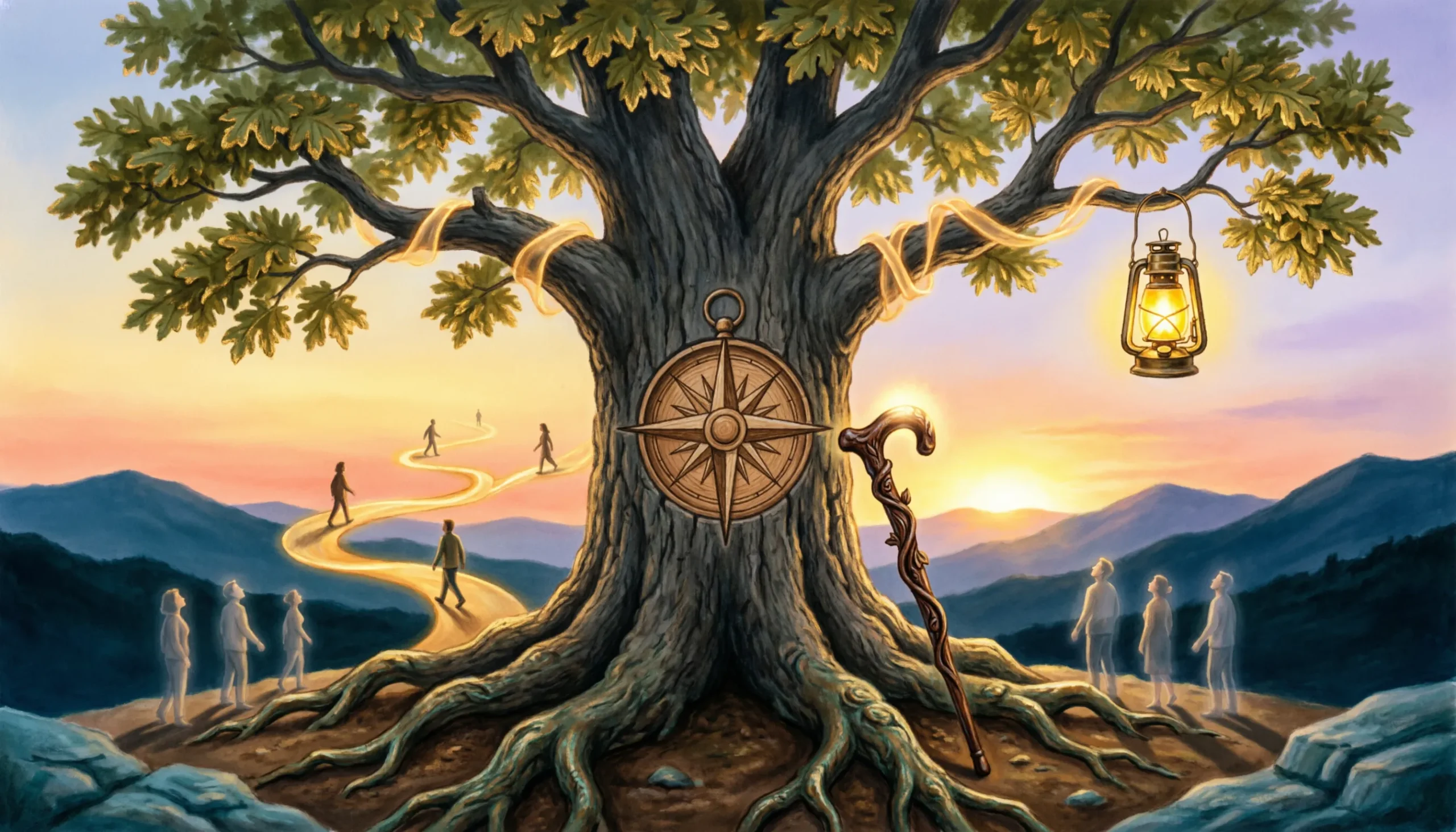
6. Leadership Is a Tree
Meaning: Stability and growth
Explanation: Provides support and shelter for others
Example: He was a tree of leadership, offering guidance and strength.
7. Leadership Is a Beacon
Meaning: Hope and encouragement
Explanation: Provides clarity and reassurance
Example: Her strategies were a beacon of leadership in uncertain times.
8. Leadership Is a Shepherd
Meaning: Care and guidance
Explanation: Leads and protects those under their charge
Example: He acted as a shepherd, ensuring every team member felt supported.
9. Leadership Is a Torch
Meaning: Enlightenment and influence
Explanation: Illuminates paths for others
Example: Her vision was a torch of leadership, lighting the way forward.
10. Leadership Is a Map
Meaning: Planning and strategy
Explanation: Shows direction and paths to success
Example: His leadership created a map to achieve the company’s goals.
11. Leadership Is a Captain of the Ship
Meaning: Command and responsibility
Explanation: Takes charge and navigates challenges
Example: She was the captain of the ship, guiding her team through obstacles.
12. Leadership Is a Strong Anchor
Meaning: Stability and reliability
Explanation: Keeps the team grounded
Example: His steady hand was a strong anchor of leadership.
13. Leadership Is a Sword
Meaning: Strength and decisiveness
Explanation: Cuts through problems and inspires courage
Example: Her decisions were a sword of leadership, sharp and clear.
14. Leadership Is a River
Meaning: Flow and adaptability
Explanation: Moves smoothly, adapts to changes
Example: His leadership flowed like a river, adjusting to every challenge.
15. Leadership Is a Watchtower
Meaning: Vision and vigilance
Explanation: Observes, protects, and guides
Example: She kept the company safe like a watchtower of leadership.
16. Leadership Is a Drum
Meaning: Rhythm and coordination
Explanation: Unites and motivates people
Example: He kept the team coordinated like a drum of leadership.
17. Leadership Is a Guiding Star
Meaning: Inspiration and clarity
Explanation: Shows the way in the darkness
Example: Her strategy acted as a guiding star of leadership.
18. Leadership Is a Mountain
Meaning: Strength and authority
Explanation: Stands tall, provides perspective and stability
Example: His leadership was a mountain, solid and dependable.
19. Leadership Is a Torchbearer
Meaning: Vision and courage
Explanation: Leads the way, inspiring others to follow
Example: She became the torchbearer of leadership in her community.
20. Leadership Is a Garden
Meaning: Nurturing and growth
Explanation: Cultivates skills and potential in others
Example: His leadership was a garden, helping team members grow.
Practical Exercise:
| Question | Answer |
| Which metaphor shows guidance and direction? | Lighthouse |
| Which metaphor shows responsibility? | Captain |
| Which metaphor shows connection and unity? | Bridge |
| Which metaphor shows inspiration? | Flame |
| Which metaphor shows stability? | Tree |
| Which metaphor shows vision? | Compass |
| Which metaphor shows care and protection? | Shepherd |
| Which metaphor shows planning? | Map |
| Which metaphor shows strength and decisiveness? | Sword |
| Which metaphor shows nurturing growth? | Garden |
FAQs
- What are metaphors for leadership?
Figurative expressions that describe guidance, strength, influence, and vision. - Can these metaphors show different leadership styles?
Yes, from guiding and inspiring to strategic and commanding. - Are these metaphors useful in essays or stories?
Absolutely, for reflective writing, storytelling, or leadership discussions. - Do metaphors make leadership more vivid?
Yes, they turn abstract qualities into clear, relatable imagery. - Can metaphors describe both personal and professional leadership?
Yes, suitable for workplace, community, or personal contexts. - Are these metaphors suitable for students?
Yes, perfect for writing assignments or presentations. - Can they show both inspiration and authority?
Yes, examples like torch, lighthouse, or mountain illustrate both. - Do metaphors enhance emotional and conceptual impact?
Definitely, they help readers feel and understand leadership qualities. - Can they be used in poetry or speeches?
Yes, easily adaptable for poems, essays, speeches, or narratives. - Are these metaphors flexible for exams or projects?
Yes, if explained clearly in context.
Conclusion:
Metaphors for leadership help express guidance, strength, and influence in vivid, relatable ways. By comparing leadership to lighthouses, captains, flames, or gardens, writers make abstract qualities tangible and inspiring. These metaphors enrich essays, stories, and reflections, allowing readers to feel and connect with the vision, authority, and nurturing power of effective leaders.