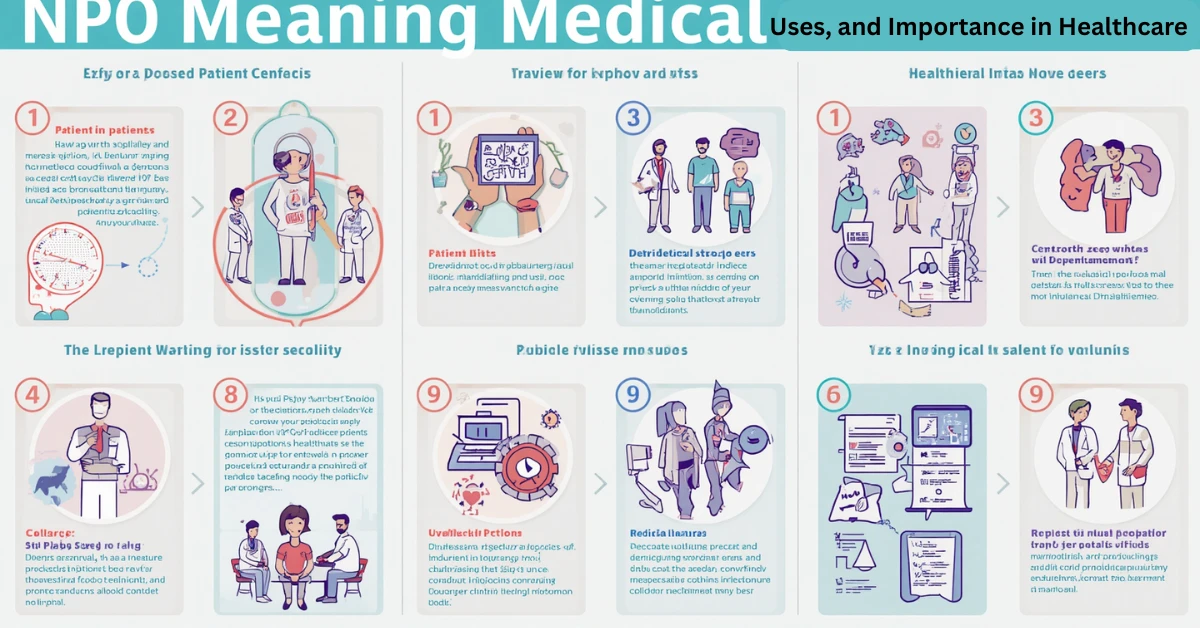
NPO Meaning medical refers to a medical instruction that stands for the Latin phrase “nil per os,” which means “nothing by mouth.” It is commonly used in hospitals and healthcare settings to instruct patients not to eat or drink anything for a specific period of time. Many people search for the NPO meaning medical when they see this term in surgery preparations, diagnostic tests, or treatment plans and want to understand its purpose. Doctors use NPO orders to ensure patient safety, especially before anesthesia, surgery, or certain medical procedures where food or liquids could interfere with results or cause complications. Understanding the NPO meaning in medicine helps patients follow instructions correctly and prepare safely for medical care.
In medical settings, you may hear doctors or nurses say a patient is “NPO” before surgery or certain tests. For many people, this term sounds confusing or even alarming. However, understanding the NPO meaning in medical terms is essential for patients, caregivers, and anyone preparing for medical procedures.
In simple terms, NPO is a medical instruction that tells a patient not to eat or drink anything for a specific period of time. But there is much more to it than just fasting. It plays a critical role in patient safety, surgical success, and diagnostic accuracy.
In this comprehensive guide, we’ll explore the meaning of NPO in medical terminology, its origins, reasons behind its use, guidelines, risks, exceptions, real-world examples, myths, and frequently asked questions, all explained in simple, easy-to-understand language.
NPO Meaning Medical: Quick Definition
What Does NPO Stand For?
NPO comes from the Latin phrase “Nil Per Os”, meaning “nothing by mouth.”
Simple Medical Definition
NPO means a patient must not consume food, water, or any oral intake for a specific period of time as instructed by a healthcare provider.
What Does NPO Mean in Hospitals?
In hospitals, NPO is a standard medical order used before:
- Surgery
- Anesthesia procedures
- Certain diagnostic tests
- Emergency treatments
- Gastrointestinal procedures
When a patient is marked as NPO, healthcare staff ensure strict fasting rules are followed.
Why Is NPO Important in Medical Care?
The NPO instruction is not arbitrary; it is crucial for patient safety.
1. Preventing Aspiration
One of the biggest risks during surgery is aspiration, which occurs when:
- Food or liquid enters the lungs
- It leads to choking or pneumonia
NPO reduces this risk significantly.
2. Ensuring Safe Anesthesia
During anesthesia, body reflexes are suppressed.
If the stomach contains food or liquid:
- It may move into the airway
- It can cause severe complications
NPO ensures the stomach is empty.
3. Improving Surgical Outcomes
An empty stomach:
- Reduces complications
- Improves surgical conditions
- Enhances recovery safety
4. Accurate Medical Testing
Some diagnostic procedures require a clear digestive system for accurate results.
Common Situations Where NPO Is Required
NPO instructions are used in many medical situations.
1. Before Surgery
Patients are usually told to stop eating 6–12 hours before surgery.
2. Before Endoscopy or Colonoscopy
These procedures require an empty stomach or bowel.
3. Before General Anesthesia
To reduce aspiration risks during unconsciousness.
4. In Emergency Care
Sometimes patients are kept NPO until diagnosis is confirmed.
5. After Certain Surgeries
To allow healing of the digestive system.
What Does NPO Include and Exclude?
Many patients misunderstand what “nothing by mouth” means.
Allowed vs Not Allowed
| Item | Allowed During NPO? |
| Water | ❌ No |
| Food | ❌ No |
| Juice | ❌ No |
| Coffee/Tea | ❌ No |
| Chewing gum | ❌ Usually No |
| Medications (case-by-case) | ⚠️ Sometimes allowed |
Types of NPO Orders
NPO instructions can vary depending on medical needs.
1. Strict NPO
No food or fluids at all.
2. Modified NPO
Small sips of water or essential medications are allowed.
3. Time-Based NPO
Example:
- NPO after midnight
- NPO for 8 hours before the procedure
How Long Do Patients Stay NPO?
The duration depends on the procedure.
Common Guidelines
- Clear liquids: 2 hours before the procedure (in some cases)
- Light meals: 6 hours before
- Heavy meals: 8–12 hours before surgery
Doctors determine the exact timing.
What Happens to the Body During NPO?
When a person is NPO:
Short-Term Effects
- Hunger
- Thirst
- Mild discomfort
Longer NPO Periods
- Fatigue
- Low energy
- Dry mouth
Medical staff monitor hydration and health carefully.
Real-Life Example of NPO Instruction
Imagine a patient scheduled for surgery at 8 AM.
The doctor instructs:
- No food after 10 PM the night before
- No water after 4 AM
This ensures:
- Empty stomach
- Safe anesthesia
- Reduced complications
Even small violations (like a sip of water) can delay surgery.
NPO in Special Medical Conditions
1. Diabetes Patients
Extra caution is required to manage blood sugar levels during NPO periods.
2. Older people Patients
They may require adjusted fasting times due to slower metabolism.
3. Children
Fasting guidelines are carefully adjusted based on age.
Myths and Misconceptions About NPO
Let’s clear up some confusion.
Myth 1: A Small Sip of Water Is Okay
❌ False
Even small amounts may increase the risk during anesthesia.
Myth 2: NPO Means Only No Food
❌ False
It includes all oral intake unless specified.
Myth 3: Chewing Gum Is Safe
❌ Not always
It may stimulate digestion and increase the risk.
Myth 4: NPO Is Only for Surgery
❌ False
It is used for many diagnostic and emergency procedures.
Myth 5: NPO Is Dangerous
❌ False
It is a protective medical practice, not harmful when supervised.
Risks of Not Following NPO Instructions
Ignoring NPO guidelines can lead to:
- Aspiration pneumonia
- Surgery delays or cancellations
- Anesthesia complications
- Increased medical risk
Doctors take these rules very seriously for safety reasons.
Alternatives or Related Medical Terms
1. Clear Liquid Diet
Includes:
- Water
- Clear broth
- Apple juice
2. Nil by Mouth (NBM)
Another term commonly used in hospitals has the same meaning.
3. Fasting Orders
General term for pre-procedure eating restrictions.
Benefits of NPO Guidelines
Despite discomfort, NPO provides major benefits:
Patient Safety
Prevents life-threatening complications.
Better Surgical Conditions
Helps surgeons work effectively.
Reduced Medical Risk
Minimizes anesthesia-related issues.
Improved Recovery
Supports post-procedure healing.
Practical Tips for Patients on NPO
Before Procedure
- Follow instructions exactly
- Confirm fasting time with the doctor
- Avoid late-night snacks
During NPO
- Stay calm and relaxed
- Avoid thinking about food
- Follow hospital guidelines
Medication Guidance
Always ask:
- Can I take my medicine?
- Should I use water or not?
Case Study: Why NPO Matters
A patient scheduled for emergency surgery ignored NPO instructions and drank tea before the procedure.
Result:
- Surgery was delayed
- The risk of aspiration increased
- Additional medical evaluation required
This shows how even small deviations can affect treatment safety.
FAQs
What does NPO mean in medical terms?
NPO means “nothing by mouth,” indicating no food or drink before a medical procedure.
Why do doctors use NPO instructions?
To prevent complications like aspiration during anesthesia or surgery.
Can I drink water while on NPO?
Usually no, unless specifically allowed by a doctor.
How long do I need to be NPO before surgery?
Typically 6–12 hours, depending on medical instructions.
Can I take medication during NPO?
Sometimes, yes, but only if approved by a healthcare provider.
Is NPO safe?
Yes, when followed under medical supervision.
What happens if I accidentally eat while on NPO?
Inform your doctor immediately; the procedure may be delayed.
Conclusion:
In conclusion, the NPO Meaning medical refers to the instruction “nil per os,” meaning a patient should not eat or drink anything for a specific period of time. This guideline is commonly used in hospitals before surgeries, medical tests, or procedures to ensure safety and prevent complications. Following NPO instructions is important because it helps doctors perform treatments more effectively and reduces health risks during anesthesia or diagnostic processes. Understanding the NPO meaning in medicine allows patients to follow medical advice correctly and prepare properly for their healthcare procedures.
The NPO meaning in medical terms is simple but extremely important: it means “nothing by mouth” before a medical procedure. This guideline is essential for ensuring patient safety, preventing complications, and improving the success of surgeries and diagnostic tests.