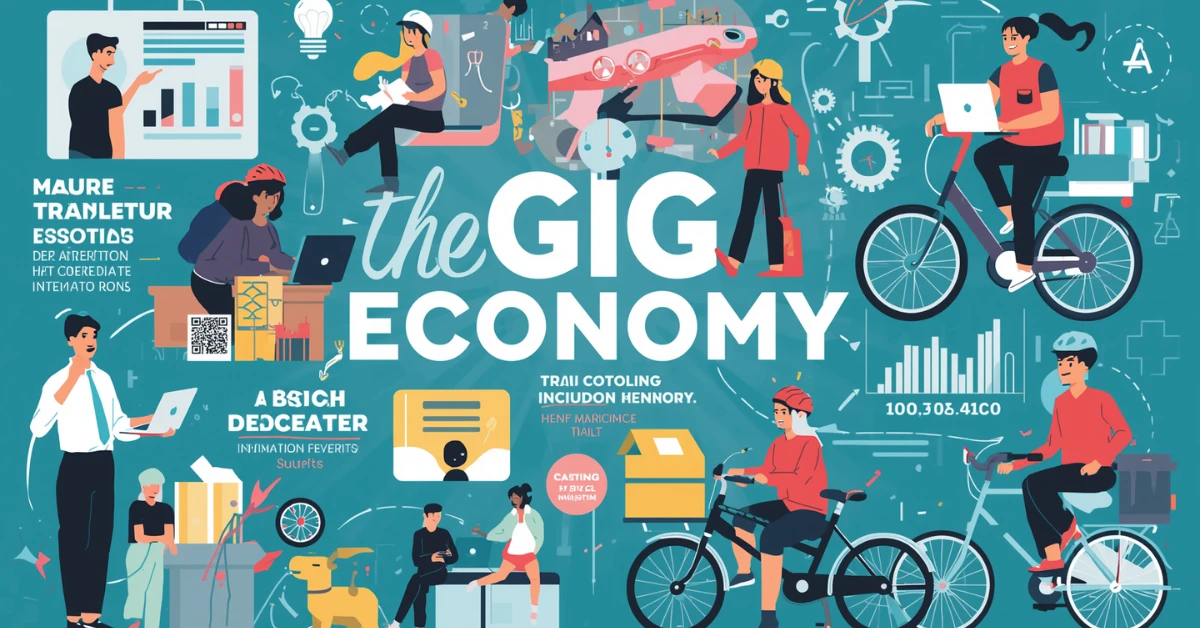
The Gig economy’s meaning refers to a labor market where people earn income through short-term, flexible jobs, freelance work, and temporary contracts instead of traditional full-time employment. With the rise of digital platforms and remote work opportunities, the gig economy has become a major part of modern employment around the world. Many people search for gig economy’s meaning to understand how it works, what types of jobs it includes, and its advantages and disadvantages for workers and businesses. From freelance writers and graphic designers to ride-sharing drivers and delivery partners, millions of individuals now rely on gig work for either primary or additional income. Understanding the gig economy’s meaning can help you navigate today’s changing job landscape and make informed decisions about flexible career opportunities.
The traditional 9-to-5 job is no longer the only path to earning a living. Today, millions of people around the world are choosing flexible work arrangements, freelancing opportunities, and short-term contracts over permanent employment. This shift has given rise to what experts call the gig economy. If you’ve ever driven for a ride-sharing app, delivered food, freelanced online, or hired someone for a one-time project, you’ve already participated in this growing economic model.
Understanding the meaning of the gig economy is more important than ever because it affects workers, businesses, consumers, and governments alike. While some people embrace the freedom and flexibility it offers, others raise concerns about job security, benefits, and workers’ rights.
In this comprehensive guide, we’ll explore the meaning of the gig economy, how it works, its history, examples, benefits, drawbacks, real-world applications, misconceptions, and future trends. Whether you’re considering becoming a gig worker, hiring freelancers, or simply curious about this modern work revolution, this article will help you understand everything you need to know.
Gig Economy Meaning: Quick Answer
The gig economy refers to an economic system where individuals earn income through short-term jobs, freelance work, temporary contracts, or on-demand tasks rather than traditional full-time employment.
Simple Definition
The gig economy is a labor market based on flexible, independent, and project-based work arrangements.
Workers are typically paid per task, assignment, project, or “gig.”
What Does the Gig Economy Mean?
The gig economy is built around the concept of temporary work instead of long-term employment.
Key Characteristics
Gig work usually involves:
- Independent contractors.
- Freelancers.
- Part-time workers.
- Temporary assignments.
- Project-based employment.
- Digital platforms connecting clients and workers.
Unlike traditional jobs, gig workers often decide:
- When they work.
- How much do they work?
- Which projects do they accept?
Why Is It Called the “Gig Economy”?
The word gig originally came from the music industry.
Musicians used the term to describe:
A temporary performance engagement.
For example:
“I have a gig at a local club tonight.”
Over time, the term expanded to include all forms of short-term paid work.
Today, a “gig” can mean anything from designing a logo to delivering groceries.
History and Evolution of the Gig Economy
Although the gig economy feels modern, temporary work has existed for centuries.
Early Forms of Gig Work
Historically, people worked as:
- Craftsmen.
- Seasonal laborers.
- Independent traders.
- Domestic workers.
- Agricultural workers.
The Digital Transformation
The rise of the internet dramatically accelerated gig work.
Technology made it easier to:
- Match workers with clients.
- Process payments.
- Manage schedules.
- Offer services globally.
The Smartphone Revolution
Mobile apps transformed the gig economy by creating instant access to work opportunities.
Workers could accept jobs with just a few taps.
How Does the Gig Economy Work?
The process is usually straightforward.
Step 1: Workers Join a Platform
Individuals sign up on gig marketplaces or service apps.
Step 2: Clients Request Services
Customers post tasks or request services.
Step 3: Workers Accept Assignments
Gig workers choose opportunities that fit their skills and schedules.
Step 4: Work Is Completed
The task is finished according to the agreed terms.
Step 5: Payment Is Processed
Workers receive compensation after completion.
Examples of Gig Economy Jobs
The gig economy spans numerous industries.
Transportation Services
Examples include:
- Ride-sharing drivers.
- Chauffeurs.
- Delivery drivers.
Freelance Digital Services
Common roles include:
- Writers.
- Graphic designers.
- Web developers.
- Video editors.
- Virtual assistants.
Home Services
Examples include:
- Cleaning professionals.
- Handymen.
- Movers.
- Gardeners.
Professional Consulting
Gig workers may provide:
- Marketing advice.
- Financial consulting.
- Legal assistance.
- Coaching services.
Creative Work
Creative gigs include:
- Photography.
- Music performances.
- Voice-over work.
- Illustration.
Gig Economy vs Traditional Employment
Understanding the differences helps workers make informed decisions.
| Feature | Gig Economy | Traditional Employment |
| Schedule | Flexible | Fixed |
| Income | Variable | Predictable |
| Benefits | Usually limited | Often included |
| Independence | High | Moderate |
| Job Security | Lower | Higher |
| Work Location | Often remote | Office-based |
| Employer Control | Limited | Greater |
Both models have advantages and disadvantages.
Benefits of the Gig Economy
Many people choose gig work because of its flexibility.
1. Flexible Schedule
Workers decide when they want to work.
This flexibility supports:
- Parents.
- Students.
- Retirees.
- Side hustlers.
2. Multiple Income Streams
Gig workers can diversify earnings.
Instead of relying on one employer, they can work with several clients.
3. Geographic Freedom
Many gigs can be performed remotely.
This allows workers to travel while earning income.
4. Skill Development
Freelancers often gain experience across various industries.
They develop:
- Communication skills.
- Time management.
- Problem-solving abilities.
- Technical expertise.
5. Entrepreneurial Opportunities
Gig work allows individuals to build personal brands and businesses.
Challenges of the Gig Economy
Despite its benefits, gig work presents certain difficulties.
Income Instability
Work availability can fluctuate.
Some months may be more profitable than others.
Limited Benefits
Gig workers often lack:
- Health insurance.
- Paid leave.
- Retirement plans.
- Employer-sponsored protections.
Competition
Digital platforms attract workers worldwide.
This can increase competition.
Tax Responsibilities
Independent workers must often manage their own taxes.
Work-Life Boundaries
Flexibility can blur the line between work and personal life.
Real-Life Example: The Freelance Graphic Designer
Consider Sarah, a graphic designer.
Instead of working for one company, she:
- Designs logos for startups.
- Creates social media graphics.
- Builds websites for small businesses.
Advantages
- Flexible schedule.
- Diverse projects.
- Higher earning potential.
Challenges
- Finding clients consistently.
- Managing taxes.
- Handling administrative tasks.
Sarah’s experience reflects the opportunities and realities of gig work.
Who Participates in the Gig Economy?
Gig workers come from diverse backgrounds.
Common Participants
- College students.
- Stay-at-home parents.
- Full-time employees seeking extra income.
- Retirees.
- Entrepreneurs.
- Digital nomads.
- Career changers.
The gig economy appeals to people with varying goals and lifestyles.
Technology’s Role in the Gig Economy
Technology powers this entire system.
Key Innovations
- Smartphones.
- Mobile applications.
- Digital payment systems.
- Online marketplaces.
- Cloud-based communication tools.
- Rating and review systems.
Without these technologies, today’s gig economy would look very different.
Common Misconceptions About the Gig Economy
Let’s separate myth from reality.
Myth 1: Gig Work Is Only a Side Hustle
❌ False
✔ Many individuals earn full-time incomes through gig work.
Myth 2: Gig Jobs Require No Skills
❌ False
✔ Many gigs demand specialized expertise.
Myth 3: Gig Workers Have Complete Freedom
❌ False
✔ Workers still face deadlines, client expectations, and platform policies.
Myth 4: The Gig Economy Is New
❌ False
✔ Temporary work has existed for centuries.
Myth 5: Gig Work Is Always Unstable
❌ False
✔ Many experienced freelancers build sustainable careers.
Future Trends in the Gig Economy
Experts believe gig work will continue to evolve.
Emerging Trends
- Increased remote work.
- Greater workforce flexibility.
- Growth in digital freelancing.
- Expansion of AI-assisted productivity tools.
- Stronger worker protections.
- More specialized gig opportunities.
The future of work may involve a blend of traditional employment and independent contracting.
Tips for Succeeding in the Gig Economy
If you’re considering gig work, these strategies can help.
Build Strong Skills
Focus on expertise that clients value.
Maintain Professionalism
Meet deadlines and communicate clearly.
Diversify Income Sources
Avoid relying on a single client.
Manage Finances Carefully
Set aside money for taxes and emergencies.
Continue Learning
Update your skills regularly to remain competitive.
FAQs
What is the simple meaning of the gig economy?
The gig economy is a labor market based on temporary, freelance, and project-based work rather than permanent employment.
Why is it called the gig economy?
The term “gig” originated in the music industry and referred to short-term performances before expanding to other forms of work.
Is gig work the same as freelancing?
Freelancing is part of the gig economy, but gig work also includes app-based and on-demand services.
What are examples of gig economy jobs?
Examples include freelance writing, food delivery, ride-sharing, graphic design, and consulting.
What are the benefits of gig work?
Flexibility, independence, multiple income opportunities, and geographic freedom are major advantages.
What are the disadvantages of the gig economy?
Challenges include income variability, limited benefits, competition, and self-managed taxes.
Can you make a full-time living in the gig economy?
Yes. Many individuals successfully build full-time careers through gig work.
Final Thoughts
In conclusion, the gig economy’s meaning refers to a modern employment system built around short-term contracts, freelance projects, and flexible work arrangements rather than permanent jobs. It has transformed the way people earn a living by offering greater independence, multiple income opportunities, and the freedom to choose when and how they work. However, it also comes with challenges such as income uncertainty and limited employment benefits.
Understanding the meaning of the gig economy is essential in today’s rapidly changing workforce. The gig economy represents a shift toward flexibility, independence, and project-based employment, offering workers new opportunities to shape their careers according to their lifestyles and goals.